Mandala Style Embroidery Pattern: A Designer's Review
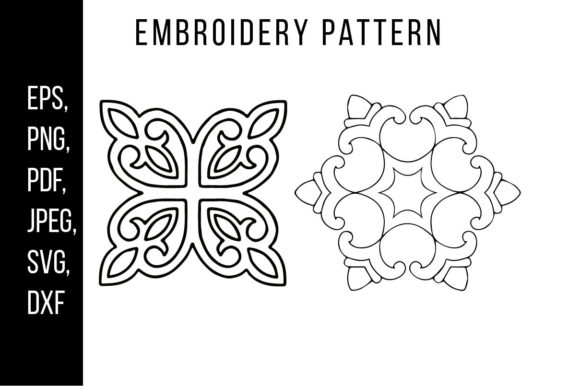
As an experienced embroidery designer who evaluates hundreds of design assets each year, I know the exact moment a pattern has potential for a high-impact apparel drop. When I first reviewed the Mandala Style Embroidery Pattern for a client's limited-edition sweatshirt collection, I was immediately struck by its narrative quality. The "fun modern whimsical design" paired with a "bird and branches" motif offers something rare in the world of machine embroidery design: a balance between structured geometry and organic storytelling. This is not just another digital embroidery file for tote bags. It is a versatile design asset that can anchor an entire boutique brand's seasonal identity. Let me walk you through my evaluation process, from the first digital preview to the final stitched finished product on a premium sweatshirt.
First Impressions: Mood, Layout, and Stitching Personality
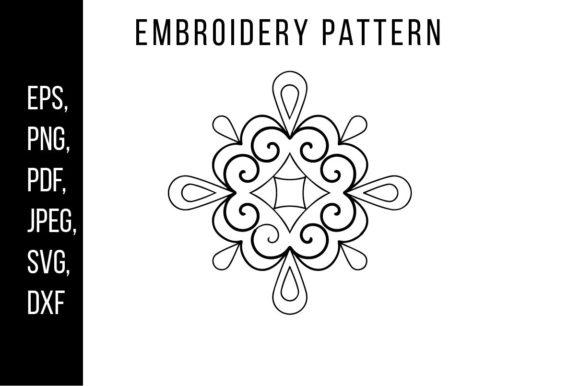
The first thing I look for is intention. The Mandala Style Embroidery Pattern feels like a curated art piece. The "whimsical" descriptor is accurate—it brings a sense of playful elegance that is highly sought after in the custom apparel market. The mandala structure provides a strong, balanced frame, while the branches and bird introduce a dynamic, flowing energy. This makes it feel both premium and approachable. It is not strictly minimal, nor is it overly decorative; it lives in a sweet spot that feels rustic, feminine, and playful all at once.
When I imagine the stitching personality of this pattern, I see a mix of textures. The branches would benefit from delicate, flowing running stitches that mimic natural lines. The bird could be a beautiful focal point using a combination of satin stitches for the body and fine detailing for the wings. The mandala borders would shine with a consistent, rhythmic fill stitch that provides structure. This variety in stitch types is exactly what makes a handmade product feel rich and dimensional. It is a pattern that respects the fabric texture it will be placed on, rather than fighting against it.
Strategic Placement on Custom Apparel
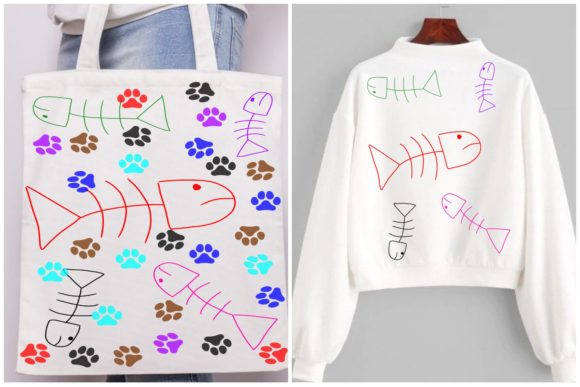
For a sweatshirt embroidery or hoodie design project, placement is everything. The Mandala Style Embroidery Pattern offers remarkable flexibility for a small shop product.
- Chest Placement: A centered chest design on a neutral sweatshirt (heather grey, oatmeal, or cream) is a classic choice. The thread colors can be selected to either blend softly with the base fabric or create a bold contrast. This placement immediately elevates a basic garment into a boutique brand staple.
- Sleeve Accents: The linear nature of the branches makes this pattern a top-tier candidate for a vertical sleeve accent. Positioning the bird perched on a branch along the outer arm creates a trendy, asymmetrical look that is very popular in current commercial embroidery circles.
- Back Designs: If you are looking to create a statement piece for a limited drop, scaling this design for the center back of an oversized hoodie would be spectacular. It has the detail density to hold its own as a large focal point.
- Color and Fabric Strategy: On dark fabric like navy or forest green, use bright, opulent thread colors—gold, copper, or vibrant emerald green. On pastel colors like blush or lavender, a monochromatic or soft neutral palette enhances the "modern whimsical" mood. For Etsy sellers and boutique owners, this versatility means you can create multiple SKUs from a single embroidery file, simply by changing your thread palette.
Practical Design Evaluation for Production
Now we get to the technicals. A beautiful graphic does not always translate to a beautiful finished product. Here is my honest assessment of the production realities for this machine embroidery design.
- Thread Color and Contrast: The "bird and branches" theme invites a natural, earthy palette. However, you must plan your thread colors carefully. If you use a dark thread on a dark sweatshirt, the detail will be lost. I recommend using a light table or a printable mockup to test contrast before you stitch. A vibrant bird against muted branches creates a lovely focal hierarchy.
- Stitch Density and Fabric Thickness: Sweatshirt fleece and French terry have a thick, lofty fabric texture. If the stitch density is too high, the design will become stiff and hard, compromising the garment's cozy feel. The design must be digitized with a balanced density. If you are purchasing this as a digital embroidery file, confirm that the stitch count is appropriate for fleece. If it is too dense, consider reducing the scale slightly or using a lighter underlay.
- Stabilizer Choice: This is non-negotiable. For sweatshirt embroidery, you must use a high-quality cut-away stabilizer. Tear-away stabilizer will cause the design to distort after washing. The delicate details of the branches and bird need a stable foundation. A hoop size of 4x4 or 5x7 is likely ideal for a chest placement, but always check the file's dimensions before hooping.
- Small-Size Readability: The pattern is described as suitable for tote bags and book covers, which suggests a moderate detail level. Ensure that the fine details—like the bird's beak and the thin branches—remain readable when stitched at your target size. If the design is too small, these details may become muddled in the thick fleece. Always stitch a test sample.
- Washing Durability: A well-digitized mandala design is structurally strong. The circular borders act as a frame, preventing distortion. Paired with the right stabilizer, this design will hold up beautifully to regular wear and washing, which is critical for buyer trust and brand reputation.
From Graphics to a Handmade Product: Maximizing Value
The Mandala Style Embroidery Pattern is a goldmine for creative entrepreneurs and digital sellers who understand the power of design assets. As a Graphics product, it provides a beautiful foundation for lifestyle product photography and printable mockup creation. When you have a strong, cohesive design, your Etsy listings and shop pages look professional and curated.
From a Crafts perspective, this pattern allows you to offer a truly handmade product. It moves your inventory away from blank, generic apparel and into the realm of custom apparel that tells a story. This directly impacts brand identity and visual recognition. Customers who love the "whimsical bird and branches" aesthetic will seek out your brand specifically for that feeling. It builds a loyal customer base and allows you to charge a premium price because the value is clear: this is not a mass-produced graphic; it is an art piece.
For small shop product launches, using a pattern like this can increase your average order value. A customer buying a $50 sweatshirt is making a considered purchase. A beautifully embroidered design makes that purchase feel like a treasure. It enhances the unboxing experience and encourages social media sharing, which is free marketing for your boutique brand.
Final Verdict for the Boutique Brand
The Mandala Style Embroidery Pattern is a commercially viable, aesthetically rich, and technically adaptable design. It is an excellent choice for a limited sweatshirt drop, whether you are a seasoned apparel decorator or a new Etsy seller looking to launch your first collection. It successfully bridges the gap between casual and premium, playful and elegant.
A critical note on readiness: The description clearly states it is a "hand embroidery pattern" intended for Crafts. To use it as a machine embroidery design for commercial embroidery, you will need to ensure you have the correct embroidery file format (such as .DST, .PES, or .EXP) for your machine. If you only have a graphic file, you will need to have it digitized. Before you proceed with production, verify the stitch count, hoop size, and the commercial license terms. Testing is essential.
When executed with the right thread colors, stabilizer, and placement, this design will resonate deeply with your target audience. It feels intentional, beautiful, and durable. I highly recommend sampling it on your chosen fabric to see the full magic of the finished product. This is the kind of design asset that builds a brand.