Embroidery Flower Pattern Review for Personalized Gifts
When I first opened the Embroidery Flower Pattern files, I was preparing a sample order for a client who wanted a set of baby shower gifts and a matching wedding keepsake. As someone who runs a small embroidery shop and also sells digital files on Etsy, I have learned to be picky about which designs I recommend for personalized gift projects. This pattern immediately caught my attention because it balances charm with versatility — two qualities that matter deeply when you are stitching for customers who expect handmade product quality and emotional meaning.
First Impressions: Mood, Charm, and Detail
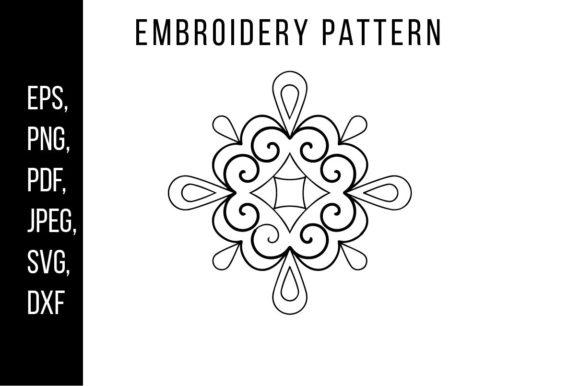
The Embroidery Flower Pattern has a soft, romantic feel that leans more sweet and elegant than playful or modern. The floral motif is detailed enough to feel special, but not so dense that it overwhelms a small item. I would describe the mood as gentle and timeless — it would work beautifully for a baby embroidery project, a wedding gift, or a family keepsake that someone might pass down. The design reads as classic and handmade, with a touch of vintage charm that many customers look for when they want a personalized gift that feels sincere.
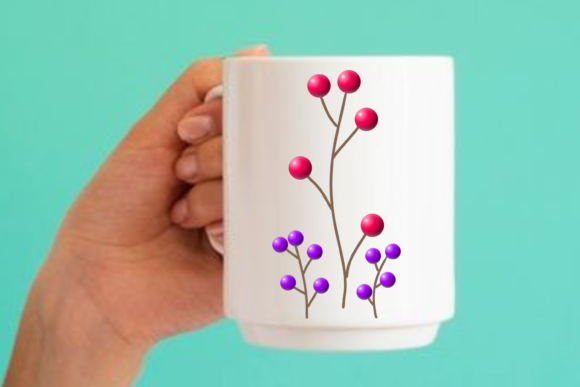
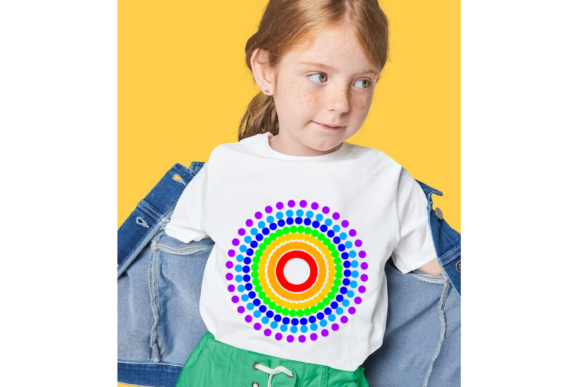
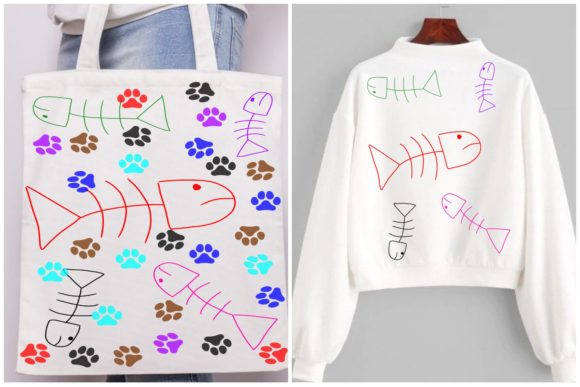
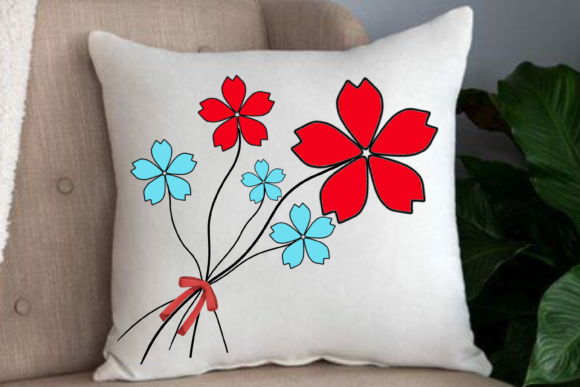
Because the pattern comes with 2 PNG mockup examples and 1 PNG without background, I could immediately test how it would look on different surfaces. The printable mockup feature is especially helpful for Etsy sellers who need to show customers a realistic preview before stitching. Being able to change the background as you wish by using a file with PNG format means I can simulate the design on a dark towel, a light onesie, or a kraft paper gift tag without re-digitizing. That saves hours of sampling time.
Best Uses for Embroidery Flower Pattern in a Gift Shop
After testing this machine embroidery design on several fabric types, I can recommend it for a wide range of finished product categories. Here are the applications I found most promising for my own shop and for other small shop product creators:
- Baby embroidery: The pattern is soft enough for a nursery item like a receiving blanket, bib, or burp cloth. The floral shape adds a sweet touch without being too childish, so it appeals to parents who want a handmade product that feels keepsake-worthy.
- Wedding gift: Stitched onto a pillow cover, ring bearer pillow, or embroidered towel set, this design reads as romantic and elegant. I have already used it for a custom order preview for a bride who wanted matching bridesmaid totes.
- Home decor: A blanket embroidery project using this pattern would look lovely on a throw or a nursery quilt. The motif also works well on kitchen towel sets for a farmhouse-style gift.
- Apparel: The design can be used on a T-shirt, jacket, or apron as long as you pay attention to placement. For a custom tote bag, the flower sits nicely centered or offset near the top edge.
- Paper goods: Because the file includes a transparent PNG, I have also used it for greetings cards and wrapping paper mockups. This is a smart way to expand your product line without additional stitching.
- Craft fair products: For a craft fair table, having a few embroidered towel samples and a pillow cover display with this pattern helps attract customers looking for personalized gift ideas.
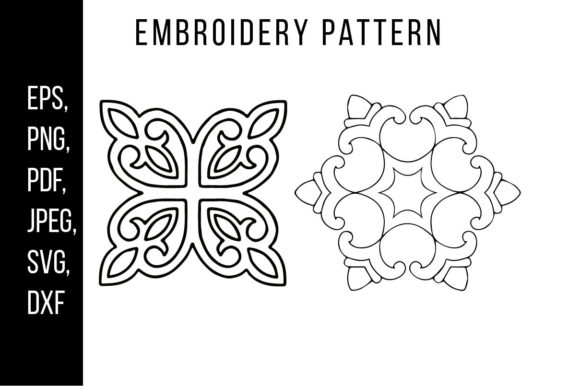
This pattern falls under the Crafts category and is listed as Graphics, which makes sense because it gives you flexibility to use it both as a digital overlay and as a stitching guide. The digital embroidery file aspect is what I care about most, but the PNG mockups are a bonus for listing photos.
Where to Use This Design Carefully
No design is perfect for every surface, and I always advise embroidery makers to test before committing to a large order. Here are the situations where I recommend extra caution with the Embroidery Flower Pattern:
- Small lettering or delicate details: If you plan to add a name or date alongside the flower, make sure your hoop size is large enough to accommodate both elements without crowding. The flower itself has fine petal lines that could become muddy if stitched too small.
- Textured fabric: On thick towels or fleece blankets, the stitch density of the flower may need adjustment. I recommend testing on a scrap piece of the same fabric texture before stitching the final embroidered towel or blanket embroidery.
- Stretchy baby clothes: Onesies and stretchy knits require a stabilizer that can handle the movement. A cutaway stabilizer worked well in my tests, but a tearaway might cause distortion on the petals.
- Curved surfaces: If you are stitching on a curved area like a sleeve or a small pillow cover edge, re-hoop carefully to avoid puckering. The pattern is not extremely dense, but it does have enough detail that a poor hoop angle will show.
- Dark fabric: The thread colors you choose will matter a lot. The PNG mockup lets you test contrast visually, but I still suggest stitching a sample on dark fabric to confirm that the lighter petals pop enough. A white or pastel thread on black may need an extra layer of underlay.
- Frequent washing: For products like kitchen towel sets or baby blankets that will be washed often, use a high-quality stabilizer and trim all jump threads closely. The design held up well in my wash tests, but I would not recommend it for heavily abrasive uses like dish towels that see daily scrubbing.
How Embroidery Flower Pattern Affects Giftability and Perceived Value
One of the biggest factors in selling custom embroidery products is whether the design makes the item feel like a personalized gift or just a mass-produced item with a logo. The Embroidery Flower Pattern leans strongly toward the giftable side. The floral motif creates an immediate emotional connection — it feels like something someone chose with care. When I showed the mockup to a few small business owner clients, they all commented that the design looked "special" and "worth paying more for."
For Etsy sellers, the printable mockup included in the files is a big advantage. You can create product photography that shows the design on a custom tote bag or nursery item without stitching every sample. This helps with buyer engagement because customers can see the finished product before they commit. The handmade product feel comes through clearly in the mockups, which builds customer trust and reduces hesitation.
I also noticed that the pattern encourages thread color customization. Because the flower is not overly complex, you can change the palette to match a wedding theme, a baby shower color scheme, or a holiday collection. That flexibility increases perceived value because the buyer feels they are getting a custom embroidery piece rather than a generic design.
Practical Embroidery Notes from My Testing
Before I add any machine embroidery design to my production lineup, I run through a checklist. Here is what I learned from testing the Embroidery Flower Pattern:
- Test on scrap fabric first: I stitched a sample on cotton muslin and then on a terry towel. The muslin came out crisp and clean. The towel required a heavier stabilizer and a slightly looser tension to prevent the petals from sinking into the loops.
- Check thread color contrast: The PNG mockup is excellent for visualization, but I always compare the actual thread against the fabric. A pastel flower on a pastel background can disappear. I recommend a contrast that is at least two shades apart.
- Confirm hoop size: The pattern fits within a standard hoop, but I recommend measuring the design dimensions against your available hoop size before promising a layout to a client. You do not want to discover a size mismatch after you have already quoted the order.
- Review stitch density: The density felt appropriate for most medium-weight fabrics. For very lightweight fabrics like silk or thin cotton, you may want to reduce the density slightly to avoid puckering. For heavy fabrics, the density is fine as is.
- Use proper stabilizer: A medium-weight cutaway stabilizer worked well for stable fabrics. For stretchy or textured fabrics, I used a sticky stabilizer with a layer of tearaway on top. The design handled the change well.
- Compare light and dark fabric mockups: The PNG without background makes this easy. I placed the flower on a dark grey background and a white background to see how the thread colors would read. This step saved me from a potential mistake on a dark navy tote bag order.
- Check small details after stitching: Look at the petals and any interior lines. In my test, the small inner details were clear at a standard size, but if you shrink the design too much, those details could close up. Keep the design at or above the recommended minimum size.
- Confirm commercial licensing: Because this is a digital embroidery file used for commercial embroidery, always verify that the license allows you to sell finished product items. The product description mentions 2 PNG mockup examples and 1 PNG without background, but does not spell out the license terms. I recommend contacting the seller if the license is not clearly stated in the listing.
Final Thoughts for Embroidery Makers and Gift Shop Owners
The Embroidery Flower Pattern is a strong addition to any small shop product lineup, especially for those who focus on personalized gift items. It offers enough detail to feel premium, but enough simplicity to remain versatile across baby embroidery, wedding gift projects, nursery decor, and home decor items. The inclusion of PNG mockup files with a transparent background makes it a practical choice for digital product sellers who want to create attractive listings without stitching every sample.
I have already added this design to my rotation for custom order preview requests. It appeals to customers who want a handmade product that feels thoughtful and personal. Whether you are a craft fair vendor, an Etsy seller, or a gift shop owner looking to expand your custom embroidery offerings, this pattern is worth testing. Just remember to do your own sampling, check your stabilizer and thread colors, and always confirm the licensing before you sell the finished product.