Gnome Embroidery: A Practical Review Before Your Next Project
When I first opened the Gnome Embroidery file, I was struck by how directly it speaks to a certain kind of holiday project. This is not an overly complicated design, and that is precisely its strength. The gnome has a soft, rounded silhouette, a tall hat, and a gentle expression that reads as festive without being loud. For anyone running a craft business, selling on Etsy, or making personalized gifts for the holiday season, this kind of machine embroidery design can be a reliable workhorse. But as with any embroidery file, the real question is how it performs under the needle, on different fabrics, and in the hands of a paying customer. Let me walk through what I have found after stitching this out and thinking through its commercial potential.
First Impressions: Mood, Shape, and Project Fit
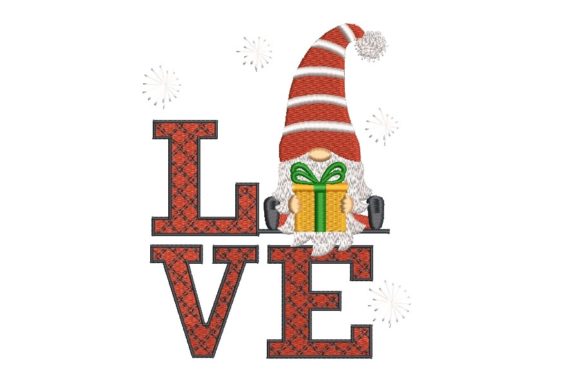
The Gnome Embroidery design carries a friendly, storybook quality. The hat is tall and slightly curved, the beard is full, and the overall shape is compact enough to sit comfortably on a variety of items. It does not try to do too much, and that restraint makes it versatile. The mood is warm, traditional, and lightly whimsical. It feels like something you would see on a cozy winter kitchen towel or a child's holiday sweater.
When I evaluate a design for real use, I look at how it will read at a glance. This gnome is immediately recognizable. The shape is clean, and the visual personality is approachable. It naturally belongs on holiday embroidery projects like pillow covers, tea towels, aprons, tote bags, and sweatshirt embroidery. It also works well for baby embroidery items such as bibs, receiving blankets, or a simple onesie. The design does not rely on tiny, fussy details to carry its charm, which means it will hold up in production settings where you need consistent results across multiple pieces.
Real Case Scenario: Preparing a Custom Tote Bag
Let me walk through a specific project I prepared using Gnome Embroidery. I had a customer order for a set of ten tote bag designs as holiday gifts for a small boutique. The bags were medium-weight canvas in a natural cream color. I wanted the gnome to feel like a subtle, high-quality accent rather than a loud graphic. I chose a simple red for the hat, a warm cream for the beard, and a soft brown for the nose and boots.
I hooped the bag with a medium-weight cutaway stabilizer and made sure the fabric was smooth and taut. The design stitched out cleanly. The fill stitch areas in the hat and beard were dense enough to give good coverage but not so heavy that they puckered the canvas. The satin stitch outlines around the hat and the nose added a nice crisp edge. The entire stitchout took about twelve minutes per bag, which is manageable for production. The finished product looked like something you would find in a high-end gift shop. The customer was thrilled, and the bags sold quickly at the boutique's holiday market.
This experience confirmed for me that Gnome Embroidery is a solid choice for small shop products and handmade product lines. It adds a festive touch without overwhelming the item. It also photographs well, which is critical for Etsy seller listings and printable mockup presentations.
Where This Design Performs Best
Based on my testing, here are the product categories where Gnome Embroidery delivers the strongest results:
- Custom apparel: Sweatshirts, t-shirts, and hoodies in medium to heavyweight fabrics. The design sits nicely on the left chest or center back.
- Holiday gifts: Kitchen towels, oven mitts, and aprons make excellent seasonal items for craft fairs and boutique orders.
- Baby embroidery: Onesies, bibs, and receiving blankets. The gnome is cute without being overly themed, so it works for both boys and girls.
- Embroidered patches: Stitch the design onto felt or twill backing, cut it out, and sell it as a sew-on or iron-on patch. This is a great way to offer a low-cost design asset for customers who want to add it to their own projects.
- Pillow covers and home decor: The gnome has a natural home on a throw pillow or a small wall hanging. It adds a handmade, cozy feel to holiday decor.
- Personalized gifts: Add a name or monogram above or below the gnome, and you have a custom item that feels thoughtful and unique.
Where to Use Caution
No design is perfect for every situation. I have found a few areas where Gnome Embroidery requires careful handling:
- Small hoop sizes: If you are working with a very small hoop, check the design dimensions first. The gnome may need to be scaled down, and that can affect stitch clarity, especially in the beard and hat details.
- Thin or stretchy fabric: Lightweight knits and jersey fabrics may need extra stabilization. Use a tear-away or cutaway stabilizer with a topper to prevent the stitches from sinking into the fabric. Test on a scrap piece first.
- Dark fabric: The gnome's hat and beard rely on contrast. If you stitch it on a dark background, make sure the thread colors are light enough to stand out. A white or cream beard on a black sweatshirt will look sharp, but a dark red hat on a navy blue fabric might disappear. Do a test stitchout before committing to a batch.
- Curved surfaces like caps: The design has a broad shape that may not curve well on a tight cap front. If you want to stitch it on a hat, consider using a smaller version and placing it in the center where the fabric is flattest.
- Dense stitch areas: The hat and beard have moderate stitch density. On very thick fabrics, this can cause some stiffness. Use a quality needle and check your tension. If the fabric is heavy, a larger needle size may help.
- Frequent washing: For items like kitchen towels or baby blankets that will be washed often, make sure to use a good stabilizer and high-quality thread. The design should hold up well, but I always recommend testing a sample through a wash cycle to be sure.
Practical Designer Notes for Professional Use
Over the years, I have learned that the difference between a good project and a great one often comes down to preparation. Here are the steps I take before I use any digital embroidery file in a production setting, and I recommend the same for Gnome Embroidery:
- Test on scrap fabric first. Always stitch the design on a piece of fabric similar to your final product. Check the stitch quality, thread tension, and overall appearance. This saves you from ruining a finished item.
- Check thread color contrast. View the design in black and white to see if the different elements have enough contrast. If the hat and beard blend together, the gnome will lose its shape.
- Review stitch density. If the design feels too dense for your fabric, you may need to adjust the stabilizer or reduce the density in your software. Dense designs can cause puckering on lightweight fabrics.
- Confirm hoop size. Make sure the design fits comfortably within your hoop with enough margin for the fabric to move freely. Avoid cramming the design right to the edge of the hoop.
- Inspect small details. The gnome's nose and any small accent stitches should be clearly visible. If they are too small, they may become lost in the fabric. Consider scaling the design up slightly if needed.
- Test on light and dark backgrounds. A design that looks great on white fabric may not work on black. Always test on the actual fabric color you plan to use.
- Use proper stabilizer. For most projects, a medium-weight cutaway stabilizer is a safe choice. For stretchy fabrics, add a topper or use a heavier stabilizer. For towels, use a water-soluble topper to prevent stitches from sinking into the nap.
- Check licensing before selling. If you plan to sell finished products or digital embroidery file versions, confirm the license terms. Some designs are free for personal use only, while others allow commercial embroidery with restrictions. Do not assume anything.
How Gnome Embroidery Affects Product Value and Customer Perception
In my experience, customers respond to designs that feel intentional and well-executed. Gnome Embroidery has a professional look that raises the perceived value of any item it is applied to. A plain canvas tote bag becomes a handmade product worth gifting. A simple sweatshirt becomes a boutique item. The design adds a layer of care and craftsmanship that customers notice and are willing to pay for.
For Etsy sellers and small shop product owners, this design can help build brand consistency. If you use it across multiple product types, it creates a cohesive holiday collection that customers will recognize. The gnome has a timeless quality that does not feel tied to a single year's trend, which means you can offer it season after season.
One thing I appreciate about this design is that it does not rely on novelty or gimmick. It is a straightforward, well-drawn applique design that works. When you are running a craft business, you need designs that are reliable, that stitch out cleanly, and that your customers will love. Gnome Embroidery checks those boxes.
Final Thoughts Before Stitching
If you are a designer or creative entrepreneur looking for a Christmas embroidery design that you can use across multiple product categories, this one is worth adding to your library. It is not overly sentimental or childish. It has a friendly, festive feel that works for both adult and children's items. It performs well on a variety of fabrics, as long as you pay attention to stabilizer and thread choice.
For personalized gift orders, boutique branding, or craft fair products, Gnome Embroidery offers a solid return on your time and materials. Test it, tweak it if needed, and then run with it. A well-stitched gnome on a quality product is the kind of detail that turns a simple item into a memorable gift. And in this business, that is exactly what keeps customers coming back.