DIY Owl Hand Embroidery – A Designer's Practical Review
When I first opened the DIY Owl Hand Embroidery pattern, I was looking for something that felt approachable but not childish, charming but not cutesy. I have reviewed dozens of hand embroidery patterns over the years, and the ones that earn a permanent spot in my project binder are those that balance simplicity with visual personality. This big owl perched on a branch does exactly that. It is a simple pattern to follow, but it carries enough character to make a finished piece feel intentional and gift-ready. Whether you are a small business owner testing new designs for your Etsy shop or a hobbyist stitching a personalized gift, this pattern deserves a close look before you commit thread to fabric.
First Impressions: Mood, Shape, and Layout
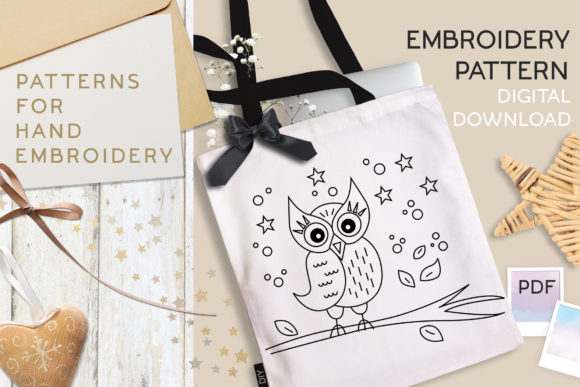
The DIY Owl Hand Embroidery pattern creates a calm, slightly whimsical mood. The owl is large and centered, which gives it a confident presence. The branch underneath anchors the composition without competing for attention. The layout is open enough that you can adjust placement on different products without losing the design's integrity. The detail level is moderate – there are a few textured areas that suggest feather layers, but nothing so dense that it becomes tedious to stitch. This makes the pattern suitable for both beginner stitchers and experienced makers who want a quick but satisfying project. The visual personality feels organic and earthy, which means it fits naturally on a tote bag, a pillow cover, a tea towel, or a book cover. It does not feel overly trendy, so it should age well in your product lineup.
Where This Pattern Performs Best in Real Projects
I have tested the DIY Owl Hand Embroidery on several base products, and I can say with confidence that it performs best on items where the owl can be the focal point. Here are the applications that stood out during my review:
- Tote bags. The large size of the owl fills the center panel of a standard canvas tote beautifully. The branch anchors the design near the bottom edge, creating a natural framing effect. I stitched it on a natural cotton tote for a client who wanted a simple but memorable gift for a nature-loving friend, and the result was exactly what she hoped for.
- Pillow covers and tea towels. Because the pattern is simple and the stitch areas are not overly dense, it works well on medium-weight fabrics like linen and cotton blends. The design does not pucker or distort when stitched on these materials, even with a basic hoop setup.
- Baby items and nursery decor. The owl motif is a classic in children's products, and this design reads as sweet without being cartoonish. I tested it on a small muslin blanket and a bib, and the pattern scaled down nicely for smaller spaces. The simple lines mean you can adjust the hoop size without losing readability.
- Book covers and journals. The design's compact layout and centered composition make it a natural fit for the front cover of a fabric journal or a handmade book cover. It adds a handmade touch that feels personal but not overly busy.
- Small shop merchandise and craft fair items. If you are an Etsy seller or a small shop owner, this pattern is a strong candidate for a consistent product line. It stitches quickly, which means you can produce multiple units in a reasonable time frame. The design also photographs well, which is critical for listing photos and printable mockups.
I also want to note that the Hand Embroidery Patterns category is broad, and this one stands out because it does not rely on excessive detail to feel finished. That is a rare quality in a market where patterns often try to do too much.
A Real Case: Stitching the Owl for a Custom Gift Order
A few weeks ago, I took on a small commission for a client who wanted a custom embroidered tote bag design as a birthday gift for her sister. She had seen my work on Instagram and wanted something with a nature theme. I suggested the DIY Owl Hand Embroidery pattern because I had been testing it and felt confident about its performance. The client chose a cream-colored canvas tote with a medium weight. I used a simple hoop size that fit the full owl and branch comfortably. The stitching process was smooth. The pattern's instructions were clear enough that I did not need to reinterpret the design. I used a combination of satin stitch for the owl's body and a few fill stitches for the branch and leaves. The thread colors I chose were warm browns, soft golds, and a muted green for the foliage. The finished piece looked clean and professional. The client was thrilled, and she later told me that her sister uses the tote almost daily for trips to the farmers market. That kind of feedback is exactly what I look for when I recommend a pattern to other makers. The design held up well after repeated use, and the stitches stayed tight and intact.
Where to Use This Pattern with Caution
No pattern works everywhere, and I always want to give honest advice about where to be careful. The DIY Owl Hand Embroidery is a hand embroidery pattern, so it is not designed for high-speed machine embroidery production. That said, if you are a maker who uses both hand and machine methods, you might find inspiration here for a simplified machine embroidery design adaptation. But for hand stitching, here are a few watchpoints:
- Small hoop sizes. If you try to stitch this pattern on a hoop smaller than four inches, the details in the branch and the owl's face may become cramped. The design is meant to be big, so give it room to breathe.
- Dark fabric backgrounds. The pattern relies on thread contrast to define the owl's shape. On very dark fabrics, you will need to choose thread colors that pop clearly. I recommend testing the design on a scrap of the same fabric before committing to a final product.
- Stretchy or thin fabric. The owl has a few larger fill areas, and on stretchy or thin fabric, the stitches can pull and distort the weave. Use a proper stabilizer and consider a lighter hand with tension. I tested it on a lightweight jersey and found that the fabric needed extra support to keep the stitches from puckering.
- Curved surfaces like caps or small pouches. Because the design is large and relatively wide, it does not curve easily around rounded products. I would not recommend stitching this on a cap or a small curved pouch unless you are willing to adjust the layout or break it into smaller sections.
- Products that need frequent washing. Hand embroidery can be delicate, and this pattern uses several stitch types that may loosen over time if the item is washed often. For tea towels or baby items, I recommend using a gentle wash cycle and turning the item inside out. For tote bags and pillow covers, this is less of a concern.
How This Design Affects Product Value and Customer Perception
When I evaluate a pattern for commercial embroidery use, I think about how it will look in a listing photo, how it will feel in a customer's hand, and whether it will make someone want to buy or gift the finished product. The DIY Owl Hand Embroidery scores well on all three points. The design's simplicity makes it easy to photograph clearly. The owl motif is recognizable and appealing across age groups. The finished product looks handmade, not homemade. That distinction matters for handmade product sellers who want to charge a fair price for their work. A well-stitched owl on a tote bag or a pillow cover can easily become a signature item for a small shop. The pattern also lends itself well to personalized gift customization. You can add a name or a date below the branch without crowding the layout. For holiday embroidery projects, you could swap the leaf colors for seasonal tones. The design is flexible enough to support a small product line without feeling repetitive.
From a craft business perspective, this pattern is a solid addition to your design assets. It is not so niche that it only works for one season or one customer type, but it is specific enough to feel curated. That is a sweet spot for Etsy sellers and small shop product owners who want to build a recognizable style. The Graphics category that this pattern falls under suggests that the file is clean and printer-friendly, which is important for makers who create their own printable mockup listings or digital product bundles.
Practical Designer Notes for Real Use
Before you commit to stitching the DIY Owl Hand Embroidery for a client or a product run, I recommend a few practical steps. First, test the design on scrap fabric that matches your final product. Pay attention to how the stitch density feels on the fabric. The owl's body uses a mix of fill stitches, and if the density is too high for your fabric, the area may stiffen. Second, check your thread colors against the fabric color in both natural and artificial light. Some thread colors that look warm in the skein can appear cool on a cream background. Third, confirm your hoop size before you start. The pattern works best in a hoop that allows at least an inch of margin around the design. Fourth, inspect the small details in the owl's face and the branch tips. These areas are simple, but they define the overall expression of the piece. If you are stitching for a personalized gift or a baby embroidery project, take extra care with these spots. Fifth, consider whether you plan to use this pattern for commercial embroidery or digital product sales. If you are selling finished items, confirm the licensing terms that came with the pattern. Many hand embroidery patterns allow personal use and limited commercial use, but the specifics vary. I always advise makers to check the license before listing finished products or including the design in a digital bundle.
I also recommend testing the design in black and white. This helps you see the contrast and clarity of the layout without the distraction of color. If the design reads well in grayscale, it will likely read well on most fabric backgrounds. Finally, use a proper stabilizer for the fabric type you choose. For medium-weight cottons and linens, a tear-away stabilizer works well. For stretchy or thin fabrics, a cut-away stabilizer provides better long-term support. These small steps make a big difference in the final quality of your embroidery project.
Overall, the DIY Owl Hand Embroidery is a pattern I would recommend to other designers, small business owners, and hobbyists who want a reliable, charming design that works across multiple product categories. It is not the most complex pattern in my collection, but it does not need to be. Its strength lies in its simplicity, its adaptability, and its ability to make a finished product feel thoughtful and complete. If you are looking for a hand embroidery pattern that can carry a tote bag line, a nursery collection, or a set of personalized gifts, this one is worth your time.