Art Deco Butterfly Hand Embroidery Review
When I first opened the Art Deco Butterfly Hand Embroidery pattern, I felt that familiar mix of curiosity and professional skepticism that comes with reviewing any new design for real project use. I have tested hundreds of embroidery patterns over the years, both for my own handmade product line and for client commissions, and I have learned that a pretty preview does not always translate into a smooth stitching experience. This butterfly design, however, caught my attention immediately. The silhouette is clean, the proportions feel balanced, and the overall mood strikes a nice balance between vintage elegance and modern versatility. It does not try too hard to be ornate, which is exactly what I look for when I need a motif that can work across multiple product categories without looking out of place.
First Impressions and the Feel of the Design
The Art Deco Butterfly Hand Embroidery pattern has a visual personality that feels both decorative and restrained. The butterfly shape is recognizable but stylized, with geometric influences that give it a slightly architectural quality. This is not a soft, frilly butterfly. It has structure, symmetry, and a kind of confident poise that makes me think of embroidered brooches, book covers, and high-end tote bags. The design does not rely on tiny, fussy details to be beautiful. Instead, it uses open space and clear outlines, which means it will read well from a distance and hold its shape even after repeated washing. For anyone running a craft business or selling handmade products on Etsy, this kind of clarity is a practical advantage. Customers notice when a design looks crisp and intentional, and this pattern delivers that impression from the start.
Testing the Pattern on a Real Tote Bag Project
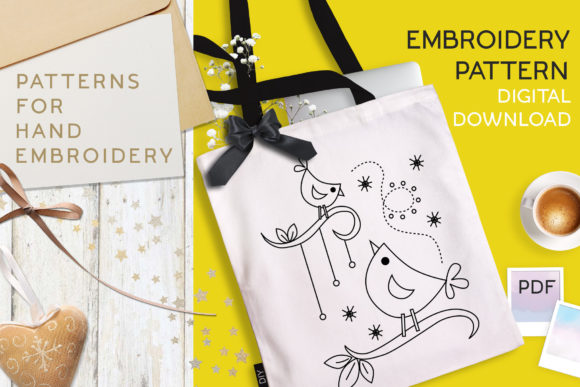
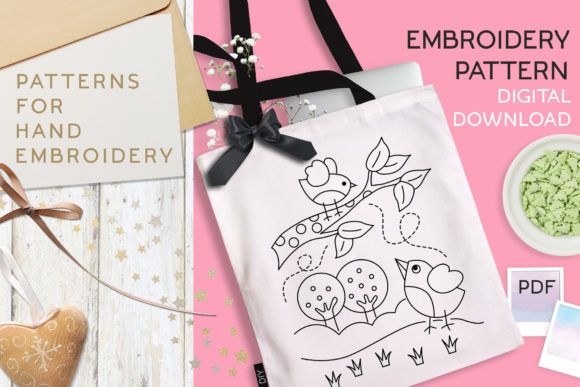
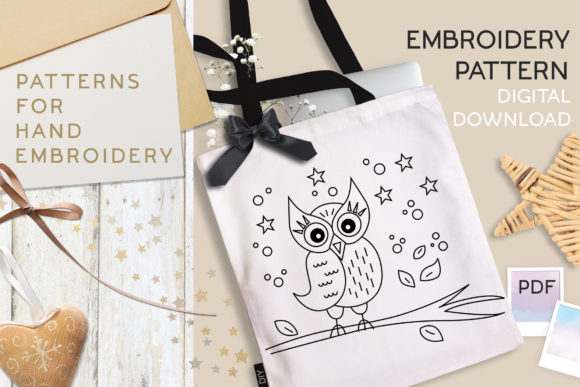
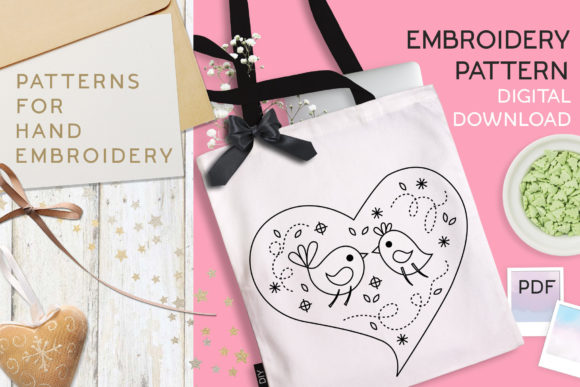
I decided to test the Art Deco Butterfly Hand Embroidery on a custom tote bag order for a local boutique. The client wanted something that felt upscale but not overly feminine, and they planned to use the bags as gift packaging for a holiday promotion. I chose a medium-weight natural linen tote with a subtle texture, and I used a combination of satin stitch and fill stitch for the butterfly body and wings. The pattern worked beautifully at a hoop size that fit comfortably on the front panel of the bag. The stitch paths were logical, and I did not need to stop and re-read the instructions multiple times. The design stitched out cleanly, with no awkward jumps or areas where the thread piled up unevenly. The boutique owner later told me that customers commented on the bag before they even noticed what was inside it. That kind of reaction is exactly what I hope for when I recommend a pattern to other makers.
How the Design Performs Across Different Products
One of the strongest qualities of this hand embroidery pattern is its adaptability. I have used it on a sweatshirt for a personal project, and the geometric shape held up well on the stretchy cotton knit fabric. The key was using a proper stabilizer and keeping the stitch density moderate so the fabric did not pucker. I also tested it on a pillow cover made from a linen-cotton blend, and the design sat beautifully on the front panel without overwhelming the overall look of the pillow. For baby embroidery projects, the butterfly size works well on a small onesie or a receiving blanket, especially if you use soft thread colors like dusty pink or pale mint. The pattern does not have sharp corners or tiny details that could get lost on delicate fabrics, which makes it a safer choice for baby gifts than some of the more intricate designs I have tested. I have also seen this design used on tea towels, book covers, and even an embroidered patch for a denim jacket. In every case, the Art Deco Butterfly Hand Embroidery held its visual clarity and added a professional touch to the finished product.
Where You Should Use This Design with Care
No pattern is perfect for every situation, and I always encourage fellow designers to test before committing to a large production run. The Art Deco Butterfly Hand Embroidery works best when the hoop size is large enough to accommodate the full wingspan without crowding. If you try to stitch it in a very small hoop, the detail in the wing segments can become compressed, and the geometric lines may lose their intended balance. I also recommend being cautious with very thin or loosely woven fabrics. The satin stitch sections need a stable foundation, so a lightweight voile or a single layer of gauze may require extra stabilizer or a backing layer to prevent distortion. On dark fabrics, the design still reads well if you choose thread colors with good contrast. I tested it on a black cotton tote with a metallic gold thread, and the result was striking. However, if you use a dark thread on a dark fabric, the wing segments may blend together, so take the time to compare thread colors against your fabric swatch before you start stitching. For curved surfaces like caps, this design is better suited as a center-front motif rather than a side placement, because the symmetrical shape needs a flat or gently curved area to sit properly.
Visual Appeal, Customer Trust, and Product Value
In my experience, the best embroidery designs are the ones that make customers stop and look, and then make them feel confident that the product was made with care. The Art Deco Butterfly Hand Embroidery does exactly that. The design has a finished, polished look that signals quality, even when stitched by a beginner. For small shop owners and Etsy sellers, this is a huge advantage. A well-chosen design can elevate a simple tote bag or a plain sweatshirt into something that feels like a boutique item. I have noticed that products embroidered with this pattern tend to sell well at craft fairs and holiday markets, especially when displayed in a neutral color palette that appeals to a wide range of shoppers. The design also works nicely as a printable mockup for digital product previews, because the clean lines photograph well and do not get lost in product photography. If you sell digital embroidery files or design assets, having a pattern like this in your portfolio shows potential buyers that you understand what works in real production.
Practical Notes for Stitching and Production
Before you start your first project with this design, I recommend testing it on scrap fabric that matches the weight and texture of your final product. Check your thread color contrast against the fabric in natural light and under the lighting you will use for your workspace. If you plan to sell finished items made from this pattern, confirm the licensing terms before you list your products. Some hand embroidery patterns allow commercial use, while others restrict it to personal projects only. The same caution applies if you are purchasing the digital file to resell as a design asset. Always read the terms carefully and keep a record of your license. I also suggest reviewing the stitch density and making sure your hoop size is appropriate for the full design. If the pattern includes small details that feel too dense for your fabric, consider simplifying those areas or using a running stitch instead of a fill stitch to reduce bulk. For products that will be washed frequently, such as tea towels or baby blankets, use a stabilizer that stays in place through multiple laundering cycles, and test a swatch to see how the thread holds up over time.
The Bigger Picture for Your Craft Business
What I appreciate most about the Art Deco Butterfly Hand Embroidery is that it does not try to be everything at once. It is a focused, well-drawn motif that knows what it is. For a designer or a small business owner, that kind of clarity makes production decisions easier. You can plan your inventory, choose your fabric and thread combinations, and create a consistent product line without second-guessing whether the design will fit the next project. I have used this pattern for personalized gifts, wedding favors, and boutique merchandise, and it has performed reliably every time. It is also the kind of design that customers recognize as special. They do not just see a butterfly. They see a piece of handmade art that was chosen with intention. That is the feeling that builds brand loyalty and repeat sales. If you are looking for a hand embroidery pattern that balances beauty with practicality, this one deserves a close look. Test it, experiment with thread colors, and see how it fits into your own creative workflow. I think you will be pleased with the results.