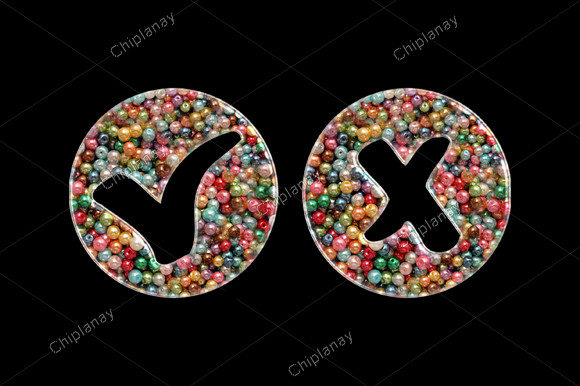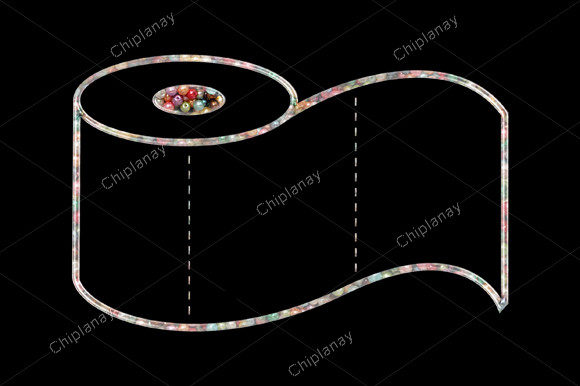
Toilet Paper Beads Colorful Embroidery
As an embroidery designer who has reviewed hundreds of machine embroidery files for small business owners, I have learned to look beyond the initial image. The design must work in thread, hold up on fabric, and reinforce the brand identity of the client. When I first came across Toilet Paper Beads Colorful Embroidery, I was intrigued by the whimsical concept. This is a playful illustration that could easily become a conversation starter for a café, boutique, or handmade brand. But before you commit to production, let me walk through what this design offers for commercial embroidery, patches, and branded merchandise.
First Impressions: Playful, Colorful, and Distinctly Handmade
At first glance, Toilet Paper Beads Colorful Embroidery feels friendly and approachable. The title suggests a layered look—beads combined with a toilet paper roll motif—which could be interpreted as a quirky nod to everyday life. For a small business, this design could work well on aprons for a coffee shop, tote bags for a boutique, or even as a cap emblem for a cleaning service. The color palette appears vibrant, which is excellent for embroidered patches that need to pop against fabric. However, the term "beads" implies small circular elements, which may require careful digitizing to avoid high stitch density. This is not a design for tiny patches; it needs room to breathe.
Notably, this design is listed under Freebies in the Graphics category. That means it is available as a digital illustration, not necessarily a pre-digitized machine embroidery file. For embroidery use, you will need to convert it into an embroidery file format (such as PES, DST, or EXP) or commission a digitizer. The freebie nature makes it ideal for testing concepts, but always verify commercial licensing before using it on merchandise you intend to sell. Many free graphics come with restrictions for resale or commercial use.
Business Applications for Embroidered Patches and Apparel
For small business merch, Toilet Paper Beads Colorful Embroidery can be adapted into several formats. I see it working best as an embroidered patch for uniforms, aprons, or caps. The playful nature suits a relaxed brand voice—think a local bakery, a pet supply shop, or a creative studio. The design could also be used as a chest logo accent on T-shirts or as a sleeve detail on work shirts. When digitized with moderate stitch density, it can become a durable tote bag design that customers will carry proudly.
From a technical standpoint, the "beads" element will likely be stitched as small satin or tatami fill objects. This can create a textured look that feels handmade, which is a plus for artisanal brands. The colorful aspect suggests multiple thread colors, so plan for at least 4–6 color changes. This adds to the production time but also increases the perceived value of the finished product. For a small business, using this design on a limited run of items—like event merchandise or customer gifts—can build a memorable brand identity.
Beyond embroidery, the graphic can be used for printable mockups, sublimation designs on mugs or coasters, or even scrapbook layouts for client portfolios. The product description mentions it is perfect for T-shirts, Sublimation designs, custom scrapbook layouts, albums, photo books, invitation cards, candy wrappers, recipe cards, greeting cards, jar labels. This versatility makes it a valuable asset for a small business that sells both physical and digital products. However, for embroidery, the focus must remain on the stitched version.
Where to Use This Design Carefully
Not every surface suits a design like Toilet Paper Beads Colorful Embroidery. The small bead details could become lost on small patch sizes, especially on cap fronts or curved surfaces. If you plan to embroider on a cap, keep the design at least 2.5 inches wide to preserve the beads. Tiny lettering, if any, may also require larger spacing to remain legible. I recommend testing the design at 80% of your intended size on a sample fabric before committing to a bulk order.
High stitch density is a concern with multi-colored bead motifs. Too many stitches in a small area can cause the fabric to pucker or the stabilizer to fail. For aprons made of thick twill, use a cutaway stabilizer. For delicate T-shirts, a tear-away stabilizer with a topper may work better. Dark uniforms also require careful thread color contrast—light beads on dark fabric will pop, but dark beads on dark fabric will disappear. Always test on the actual fabric type you plan to use.
Frequent washing is another consideration. Items like aprons and tote bags see a lot of wear. The design must be digitized with a full-density that resists fraying. Polyester thread is more durable than rayon for commercial use. If the beads are represented as small circles, they should be digitized with a tight satin stitch to prevent snagging. I also advise adding a border or outline to the entire design to protect the edges.
Brand Identity and Customer Perception
Using Toilet Paper Beads Colorful Embroidery on your small business merchandise sends a clear message: you are not afraid to be playful and memorable. For a brand that wants to stand out among competitors, this design can become a signature element. Customers who see a quirky patch on an apron will remember the experience. It builds trust by showing that the business pays attention to details, even in the smallest items like embroidered patches.
That said, not every industry will benefit from this aesthetic. A law firm or financial consultancy would likely avoid such a whimsical approach. But for a handmade soap company, a pet supply store, or a children’s boutique, Toilet Paper Beads Colorful Embroidery can reinforce a friendly, approachable brand identity. It also works well for event merchandise, like a local craft fair or a pop-up market. The design feels like a limited-edition collectible, which can increase perceived product value and buyer engagement.
From a visual consistency standpoint, the design should be used in a cohesive color scheme. If your brand uses pastels, choose thread colors that match. If you have a bold, modern palette, the vibrant beads can complement that. The handmade quality of embroidery adds a tactile element that digital prints cannot replicate. This can elevate a simple tote bag into a premium product that customers are willing to pay more for.
Practical Embroidery Designer Notes
Before you run this design through your machine, here are some steps I always take with new graphics, especially those from the Freebies category:
- Test it in black and white first. Convert the graphic to grayscale to see if the contrast holds. If the beads blend into the background, adjust thread colors or add outlines.
- Check if it works at small patch size. Digitize a version at 2 inches and 3 inches. If the beads become blobs, enlarge the design or simplify the details.
- Review thread color contrast. Place the chosen thread colors against the fabric. Use a color wheel to ensure complementary or contrasting hues.
- Inspect spacing. The beads should have at least 1mm of space between them to avoid overlapping stitches. If the original graphic has tight spacing, your digitizer will need to adjust.
- Confirm hoop size. For a patch, you’ll likely need a 4x4 or 5x7 hoop. For a large tote bag design, consider a larger hoop to reduce repositioning.
- Test on real fabric. Use a scrap piece of the exact fabric you plan to use for the final product. Different fabrics behave differently under tension.
- Use proper stabilizer. For patches, use a tear-away stabilizer. For caps, use a firm cutaway. Always test the stabilizer with the fabric.
- Create a mockup for client approval. Use a photo of the actual garment or item and overlay a digital mockup of the embroidery. This reduces surprises.
- Compare it beside other design assets. If your brand already has logos or graphics, ensure this design does not clash in style or scale.
- Confirm commercial licensing before production. Since it is a freebie, read the license terms carefully. Some free graphics allow personal use only, not commercial merchandise.
These steps help avoid costly mistakes. I have seen too many small business owners buy a design and assume it will embroider perfectly without testing. Always invest in a sample first.
Adapting the Graphic for Machine Embroidery
Because Toilet Paper Beads Colorful Embroidery is a graphic, not a pre-digitized embroidery file, you will need to work with a digitizer or use software to convert it. The design should be converted to a vector format first (SVG or AI) to ensure clean lines. Then, the digitizer will assign stitch types to each element. The beads will likely become small satin circles, and the toilet paper roll may be a combination of fill and edge stitches. The "colorful" aspect means you can choose thread colors that match your brand.
I recommend keeping the design relatively simple. If the original graphic has many tiny beads, consider grouping them into larger bead clusters. This reduces stitch count and makes the embroidery more durable. A good digitizer can also add a subtle texture to the roll to mimic the paper feel. This attention to detail will make the finished product look premium.
For a small business, this design can be used as a standalone patch or combined with text, such as the business name or a tagline. If you add text, ensure it is digitized with a font that is legible at small sizes. Avoid script fonts that may lose detail in embroidery.
Final Thoughts on Toilet Paper Beads Colorful Embroidery for Small Business Merch
Toilet Paper Beads Colorful Embroidery has the potential to become a signature element for brands that value humor, creativity, and a handmade aesthetic. As a free graphic, it offers a low-risk way to test a new design direction. However, its success depends on careful digitizing, proper stabilizer choice, and realistic sizing. For small business merchandise like embroidered patches, caps, aprons, and tote bags, this design can drive customer engagement and reinforce brand identity. Just remember to verify licensing, test thoroughly, and work with an experienced digitizer to bring the colorful beads to life in thread. With the right approach, this quirky illustration can become a profitable part of your product lineup.