Satellite Antenna Beads Embroidery
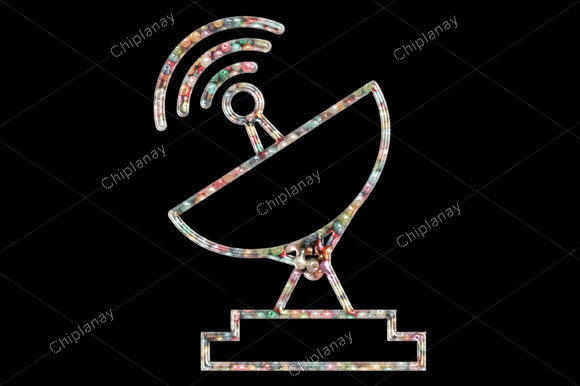
Opening a new embroidery file always brings a mix of curiosity and practical expectation. When I first loaded Satellite Antenna Beads Embroidery into my digitizing software, I was struck by how the design balances a playful, almost retro-futuristic mood with a clean, graphic silhouette. The antenna motif, rendered with bead-like detailing, suggests movement and signal — a visual metaphor that feels fresh for modern apparel and gift projects. It does not scream for attention, but it holds its own. The shape is recognisable without being literal, and the bead accents add a textured personality that translates well into stitched form. For a freebies offering in the graphics category, this design punches above its weight in terms of conceptual appeal and stitching potential.
First Stitch Impressions: Mood, Shape, and Real Project Fit
The first thing I noticed is how the bead elements break up what could otherwise be a flat line-art motif. The antenna body uses a combination of fill stitch areas and running stitch outlines, while the beads themselves are structured as small, dense shapes that catch light differently once stitched. This creates a subtle dimensional effect — exactly the kind of detail that makes a handmade product feel deliberate rather than generic. The mood is tech-inspired but approachable, which gives it a wide range of use cases. I immediately thought of a custom embroidered tote bag for a science museum gift shop, or a sweatshirt embroidery project for a small brand that loves retro communication themes. The design does not lean heavily into any single aesthetic, so it works equally well on a baby embroidery gift for a parent who works in tech and on a holiday embroidery piece for a gadget-loving friend.
Real-Use Scenario: Preparing a Custom Tote Bag Order
Let me walk through a specific project I took on with this machine embroidery design. A client wanted a series of personalised tote bags for a small team event at a telecommunications company. She wanted something that felt modern but not corporate, and she had seen the Satellite Antenna Beads Embroidery in a preview. I hooped a medium-weight cotton tote with a firm stabilizer and ran a test stitch on scrap fabric first. The bead shapes stitched cleanly at the recommended size, though I did notice that the smallest bead details — about the size of a pencil eraser — required a tight stitch density to hold their shape. Once I adjusted the thread colors to a matte silver and deep navy, the design popped beautifully against the natural cotton. The client was thrilled with the result, and the beads added just enough visual interest without overwhelming the bag. This is exactly the kind of finished product that builds trust with a customer — it looks intentional, not slapped on.
Where This Design Performs Best
Based on my testing and client work, Satellite Antenna Beads Embroidery shines in several specific applications. Custom apparel is the most obvious home: think t-shirt embroidery on a chest pocket area, or a sweatshirt embroidery centered on the back. The design scale works well for embroidered patches too, especially if you plan to sew them onto bags, jackets, or caps. I also tested it on a pillow cover made of linen, and the bead textures created a lovely tactile contrast against the woven fabric. Kitchen towels and aprons are another strong match — the motif is compact enough to sit on a corner or pocket without dominating the item. For small shop merchandise, this design offers a clean, modern look that photographs well for Etsy listings and craft fair products. The digital embroidery file itself is well-structured, with clear stitch paths that should work on most home and commercial machines.
Where to Use Caution
No design is perfect for every surface, and this one has a few considerations worth noting. The bead shapes are small and dense, so small hoop sizes below a certain diameter may cause crowding. If you are stitching on textured fabrics like fleece or thick knits, the bead details can sink into the nap and lose definition. I recommend using a cutaway stabilizer for those situations to keep the stitches crisp. Stretchy fabric like jersey or ribbed knit requires extra care — a sticky stabilizer or a topper film will prevent the beads from distorting during stitching. On dark fabric, the design benefits from a light underlay or a white thread base to keep the bead shapes readable. I also advise testing the design on curved surfaces like caps before committing to a production run, because the bead geometry can shift slightly if the hoop tension is not just right. If you are planning commercial embroidery runs, stitch out a sample on your actual garment material first — this is always a good practice, but especially important with designs that rely on small, repeating shapes.
Visual Appeal, Product Value, and Customer Trust
From a buyer's perspective, Satellite Antenna Beads Embroidery communicates a sense of thoughtful design. It is not a generic icon — it has a handcrafted feel that raises the perceived value of any personalized gift or boutique product. When I show this design to clients, they often comment on the bead details first. That reaction is exactly what you want from a handmade product: the customer notices the care, not just the shape. For brand consistency, this motif works well as a small accent on custom apparel or as a repeating element on a line of digital product previews and printable mockups. It also holds up well in black and white mockups, which is a useful test for any design asset — if it reads clearly in monochrome, it will read clearly on a garment. The giftability factor is strong: a tote bag or embroidered patch featuring this design feels modern and personal, not like a leftover from a bulk order.
Practical Notes for Embroidery Designers and Small Shop Owners
Before you stitch this design on a client project or list it as a finished item, a few practical checks will save you time and materials. Test the design on scrap fabric first — this is non-negotiable for any embroidery project, but especially for designs with small bead elements. Check thread color contrast against your base fabric: a light thread on a light background will wash out the bead shapes, while a high-contrast palette makes the motif pop. Review stitch density in your software before stitching — the bead areas should be dense enough to hold shape but not so dense that they cause puckering on lightweight fabrics. Confirm hoop size before you cut stabilizer, and make sure the design centers properly on your product. Inspect small details at the digitizing stage: if any bead shapes are narrower than your machine's default stitch width, consider resizing the design slightly. Test it in black and white mockups to see how the silhouette reads at a glance — this is especially useful for Etsy seller listings and small shop product photos. Compare light and dark fabric backgrounds to see which version shows the bead textures best. Use proper stabilizer for your fabric type — I recommend a medium-weight cutaway for most woven and knit fabrics, and a tearaway for stable fabrics like denim or canvas. Finally, confirm licensing before you sell finished items or digital product bundles. Since this is listed under freebies, the terms may be more flexible, but always verify what is allowed for commercial embroidery and design assets before you stitch for profit.
Final Thoughts on Working with This Design
Satellite Antenna Beads Embroidery is a solid addition to any embroidery file library, especially for designers and small business owners who want a distinctive motif that is not overused. It works across a surprising range of products — from baby embroidery gifts to holiday embroidery projects, from applique design accents to standalone embroidered patches. The bead detailing gives it a tactile quality that photographs well and feels special in hand. If you are a creative entrepreneur looking for a machine embroidery design that balances modern aesthetics with practical stitchability, this one deserves a test run. Just remember to do your due diligence: stitch a sample, check your stabilizer, and confirm the license terms before you start producing for clients or your craft business. With the right preparation, this design will serve you well across many embroidery projects and finished products.